Avascular Necrosis Treatment for Hip Pain and Joint Damage
Avascular necrosis (AVN) of the hip occurs when reduced blood supply affects bone tissue, potentially leading to bone damage and hip joint problems. Symptoms may include hip or groin pain, stiffness and difficulty walking. Treatment depends on the stage of the condition, the extent of bone damage and the patient’s overall health. Dr. Raghavendra Kembhavi provides orthopaedic evaluation and discusses appropriate treatment options based on the diagnosis. If you are looking for avascular necrosis treatment in Bangalore, consult the clinic to understand the available options.
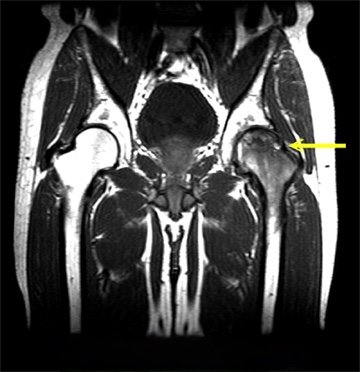
AVN is more common in males, and whilst it is most often seen affecting the femoral head, it may involve the knee, heel and humeral head (shoulder), as well as very rarely the wrist and jaw. Early diagnosis is essential to prevent complete collapse of the femoral head, and thereby preventing necessity of a total hip replacement. It may occur at any age and when seen in children is better known as “Legg-Calve-Perthes Disease” (or simply “Perthes Disease”). In children, however, the interruption to the blood supply does eventually recover spontaneously, with the process taking between two and five years.
The cause of AVN is generally unclear, but there are some known risk factors, including recent trauma, steroid use, autoimmune disease, sickle cell anaemia, alcohol abuse, smoking, and radiation treatment. More recently, COVID-19 was identified as a possible cause.
Symptoms of Hip Avascular Necrosis (AVN)
In adults, pain of varying severity may be the first sign something is wrong. Other symptoms may include:
Limping
An uneven walk that may indicate hip, knee, or foot problems.
Difficulty managing stairs
Trouble going up or down steps due to pain, weakness, or stiffness.
Difficulty standing and walking
Struggling to bear weight or move around without assistance.
Stiffness and reduced range of movement
Joints feel tight and don’t move as freely as they should.
Diagnosis and Staging of Avascular Necrosis
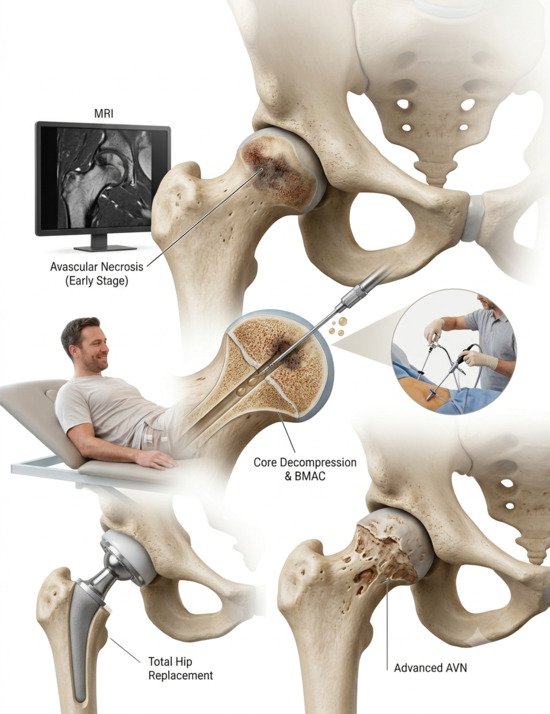
Following a detailed history taken by a hip preservation surgeon, imaging will be required. In the early stages of the disease, X-rays may not show any changes in the joint, so MRI tends to be used for early detection.
Non-surgical treatment
It can take some time before there is any relief from pain using non-surgical therapies and so most patients will opt for surgery.
Surgical Treatment
There are some hip preservation procedures which may be helpful during the early stages of the disease, including:
Core decompression
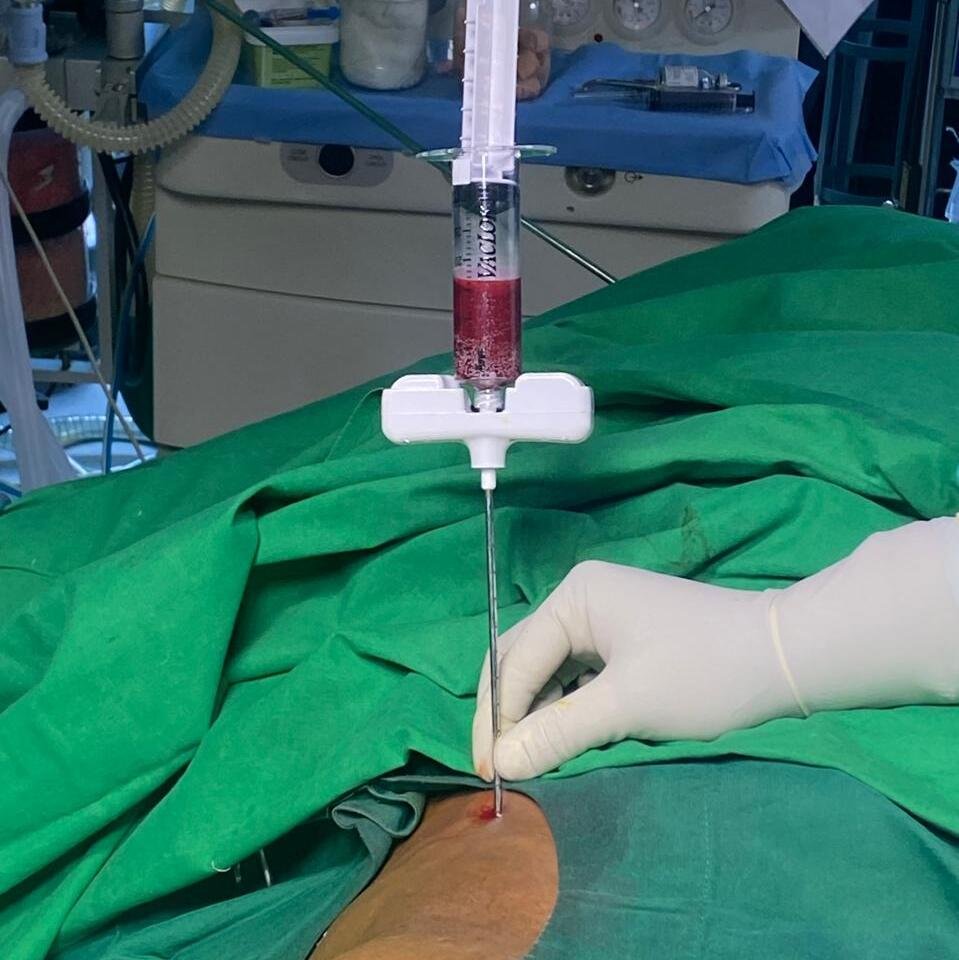
Drilling into the area of damaged bone to stimulate blood flow, which may promote bone regeneration. This is sometimes combined with the use of bone marrow harvested from the patient, where stem cells can further stimulate bone healing. This procedure would be performed arthroscopically.
Our expert Dr Raghavendra Kembhavi, being hip arthroscopy surgeon and hip preservation specialist, is known for doing novel procedures like hip arthroscopic assisted core decompression with successful results in many patients. While doing hip arthroscopy procedures he also addresses intra articular problems like synovitis, labral tears and femoroacetabular impingement (FAI) which is likely in those patients. Procedure also involves injecting bone marrow aspirate concentrate (BMAC) which is promising and highly efficacious treatment option in AVN according to latest studies.
Total hip replacement
Where the condition is deemed irreversible due to collapse of the femoral head with arthritis of a joint , total hip replacement is the only viable option
What to expect after surgery
This will vary depending on which surgery was performed and the preferences and recommendations of the treating hip preservation surgeon.
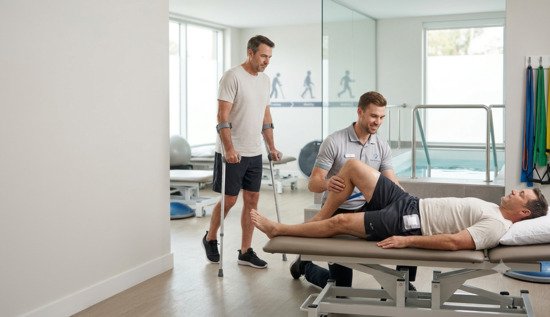
Following core decompression, weightbearing and activities are likely to be limited for the first six weeks. A programme of non-weightbearing exercises and hydrotherapy may be advised and supervised by a physiotherapist during this time. A graduated return to full mobility and activities will then be possible, with exercises to restore movement, strength and function.