Understanding Piriformis Syndrome and Sciatic Nerve Pain
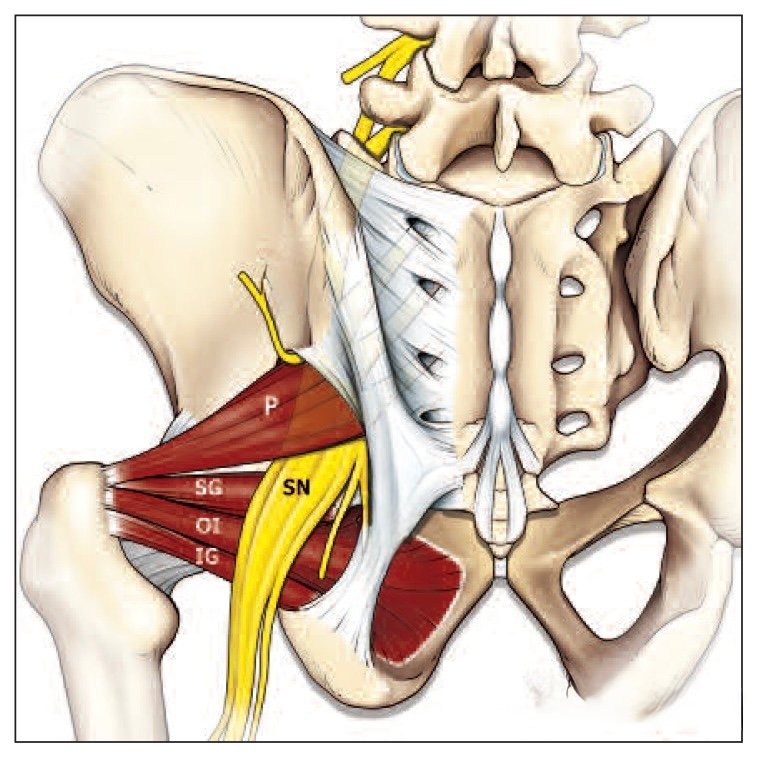
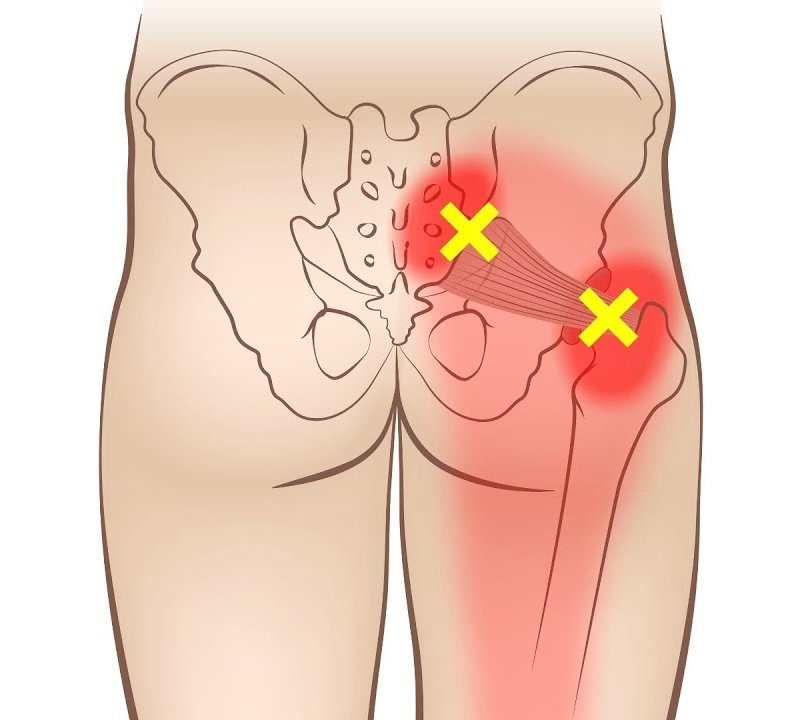
Piriformis syndrome is a condition in which the piriformis muscle, located deep in the buttock region, may irritate the nearby sciatic nerve and cause pain or discomfort. Common symptoms include deep buttock pain, tenderness, tingling, and pain that may radiate down the back of the thigh, particularly during prolonged sitting, walking, or certain hip movements. Piriformis syndrome treatment in Bangalore depends on the underlying cause, symptom severity, and clinical assessment. Treatment may include activity modification, targeted physiotherapy, stretching exercises, and medication when appropriate. Dr. Raghavendra Kembhavi can assess hip-related symptoms and help determine suitable treatment options based on individual needs.
Common Causes of Piriformis Syndrome
- Deep buttock pain, often worse with prolonged sitting.
- Pain radiating down the posterior thigh, sometimes toward the calf/foot.
- Pain aggravated by running, climbing stairs, or hip rotation.
- Tenderness around the piriformis/deep gluteal region.
- Neurological examination may be normal.
Piriformis Syndrome Treatment in Bangalore
Endoscopic piriformis release is challenging procedure and our expert Dr Raghavendra Kembhavi is trained in such complex procedures.
Activity modification and avoidance of provocative positions.
Physiotherapy: hip rotator stretching, gluteal strengthening, pelvic control and gradual return to activity.
NSAIDs/analgesics when appropriate.
Ultrasound-guided piriformis injection with local anesthetic ± corticosteroid in selected patients.
Botulinum toxin injection may be considered in refractory cases.
Endoscopic sciatic nerve decompression/piriformis release is reserved for carefully selected patients who fail prolonged conservative treatment.