Knee Arthroscopy Surgery in Bangalore for Knee Injuries and Joint Problems
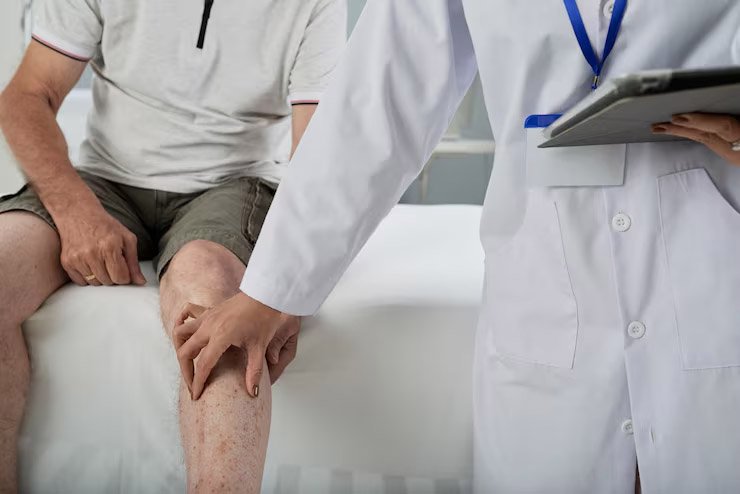
Knee injuries, ligament tears and certain joint conditions can cause pain, swelling and difficulty with movement. Knee arthroscopy is a minimally invasive surgical procedure that allows a surgeon to examine and treat certain problems inside the knee joint. Dr. Raghavendra Kembhavi provides orthopaedic evaluation for knee conditions and can discuss whether arthroscopic surgery may be appropriate based on your diagnosis, symptoms and individual needs. If you are looking for a knee arthroscopy surgeon in Bangalore, arrange a consultation to understand your treatment options.
What is knee arthroscopy?
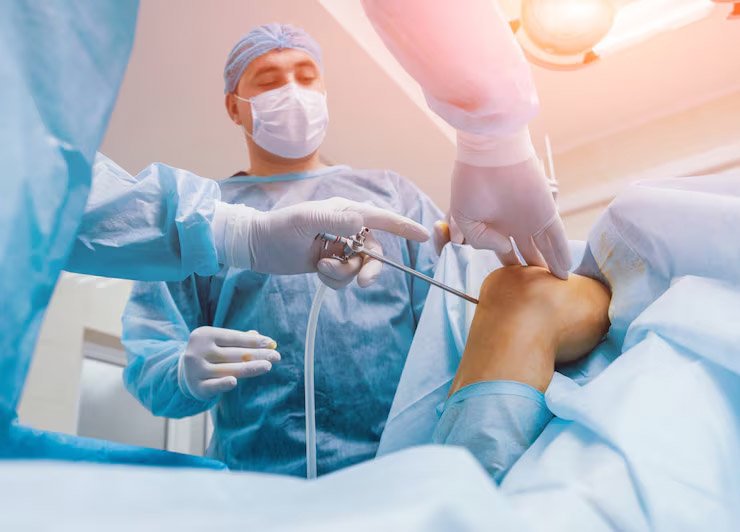
Knee arthroscopy is keyhole surgery performed inside the knee joint. Dr. Raghavendra Kembhavi inserts a thin camera (arthroscope) through a small incision to view the joint on a monitor in real time, then uses narrow surgical instruments through one or two additional small incisions to repair the damage found — all without the large incision an open knee operation would require.
Because the joint is viewed directly and magnified on screen, arthroscopy allows precise diagnosis and treatment of problems that are difficult to fully assess on imaging alone.
Knee Conditions That May Require Arthroscopic Surgery
Knee treatment is not one-size-fits-all. Dr. Raghavendra Kembhavi matches the treatment to the cause and severity of your knee condition, always starting with the least invasive option that is likely to work.
Ligament Injuries (ACL/PCL)
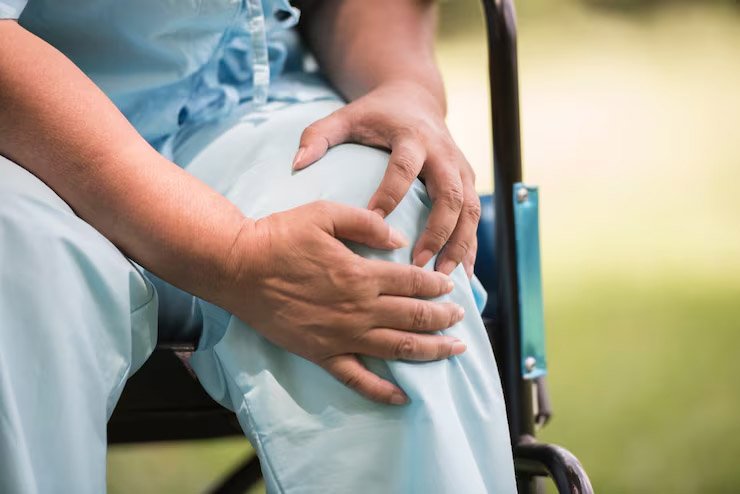
Torn or ruptured knee ligaments causing instability — often from pivoting, twisting or impact injuries in sport and daily life.
Meniscal Injuries
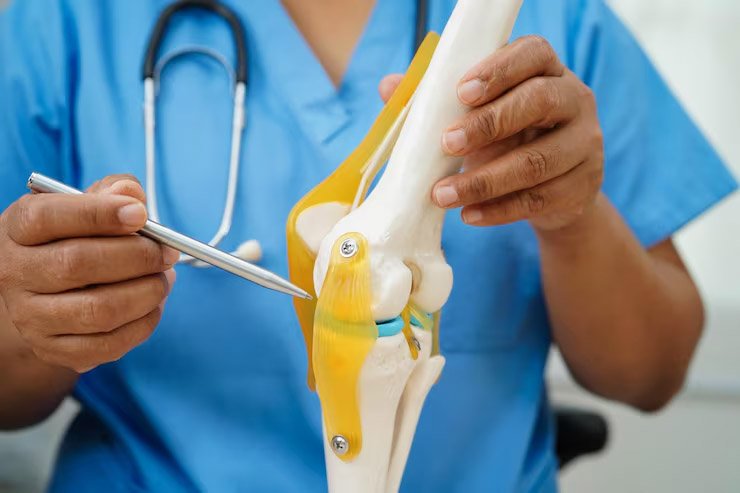
Tears or damage to the knee’s shock-absorbing meniscus cartilage, often from twisting injuries or age-related wear, causing pain, swelling and catching.
Cartilage Injuries
Focal damage to the smooth cartilage lining the knee joint, causing pain, swelling and mechanical symptoms before advanced arthritis develops.
Meniscus Root Tears
A tear at the attachment point of the meniscus, which can cause the cushion to lose its function and lead to rapid joint degeneration if left untreated.
Arthroscopic Treatment for Knee Ligament and Cartilage Injuries
Open knee surgery requires a larger incision and more disruption to the muscles and tissue surrounding the joint. Knee arthroscopy’s small-incision approach means less bleeding, less post-operative pain, a lower infection risk, and a meaningfully faster return to walking and daily activity.
For the right diagnosis — structural problems like a meniscus tear or ligament injury rather than advanced arthritis — arthroscopy achieves the surgical goal while preserving the patient’s own natural knee joint.
Arthroscopy vs Knee Replacement
Knee arthroscopy and knee replacement are very different procedures.
Arthroscopy is generally used for selected problems inside the knee, such as certain ligament, meniscus or cartilage conditions.
Knee replacement is designed primarily for advanced joint degeneration or arthritis where the damaged joint surfaces need to be replaced.
Arthroscopy does not replace the role of knee replacement in advanced arthritis.
A typical recovery after knee arthroscopy
Days 1–3
Rest, pain management, walking begins with support as tolerated.
Week 1–2
Physiotherapy begins to restore range of motion and reduce swelling.
Week 3–6
Progressive weight-bearing and strengthening; light daily activities resume.
Month 6+
Return to sport and high-impact activity, guided by rehabilitation progress and the specific repair performed.
Who benefits most from knee arthroscopy
Knee arthroscopy may be suitable for patients with specific structural knee problems that are affecting mobility, stability or daily activities. It can be particularly useful for selected meniscus, ligament and cartilage injuries when surgery is clinically appropriate. A consultation and imaging review with Dr. Raghavendra Kembhavi will confirm whether knee arthroscopy — or an alternative treatment — is right for you.
Good candidates typically have:
- Knee pain from a meniscus tear or ligament injury confirmed on MRI
- Pain that hasn’t improved with physiotherapy or medication
- Mechanical symptoms — catching, locking or instability in the knee
- Minimal to no significant knee arthritis
- Good overall joint space on imaging
Arthroscopy may not be suitable when:
- Advanced knee osteoarthritis with significant joint space loss is present
- Severe structural deformity is better suited to open correction or replacement
- Imaging shows diffuse cartilage loss rather than a focal, repairable injury
Fellowship-trained, sports medicine focused
Dr. Raghavendra Kembhavi is a fellowship-trained Orthopaedic Surgeon and Sports Medicine Specialist offering minimally invasive arthroscopic care for hip, knee and shoulder conditions in Bangalore.

10000+
Successful Patient Consultations

3000+
Orthopaedic & Sports Injury Treatments

2500+
Arthroscopic & Joint Procedures

17+
Years of Trusted Experience