Non-Surgical Shoulder Treatment in Bangalore for Pain and Stiffness
Shoulder pain, stiffness and restricted movement can affect everyday activities, from dressing to lifting objects. Depending on the underlying condition, non-surgical shoulder treatment may help manage symptoms and improve function. Dr. Raghavendra Kembhavi provides orthopaedic evaluation to help patients understand their diagnosis and explore suitable treatment options. If you are looking for non-surgical shoulder treatment in Bangalore, consult the clinic to discuss an appropriate care plan.
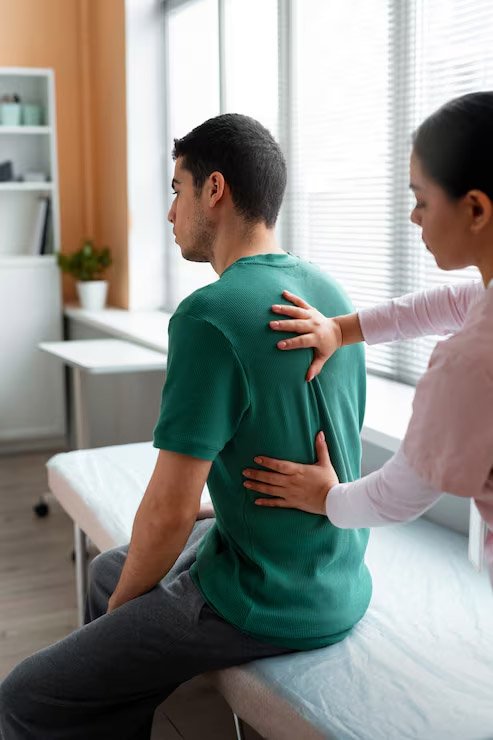
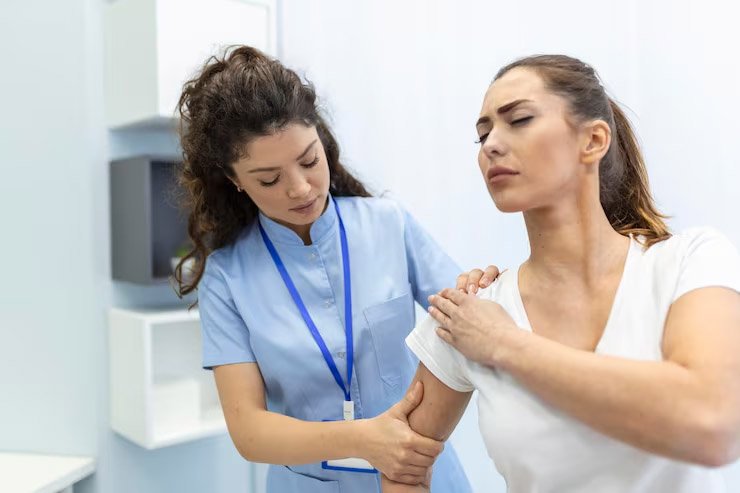
Non-Surgical Treatment Options for Shoulder Pain
Shoulder pain can have many causes, and treatment should be based on an accurate diagnosis rather than treating the symptom alone. Your shoulder may be assessed through a detailed clinical history, physical examination and appropriate imaging when required.
Depending on your condition, treatment may include physiotherapy, targeted exercises, activity modification, medication, injections and progressive rehabilitation. The treatment plan is tailored around your symptoms, activity level, occupation, sporting requirements and recovery goals.
Managing Frozen Shoulder and Other Shoulder Conditions
Rotator Cuff Tears
Partial and select full-thickness tears causing pain, weakness and night discomfort.
Frozen Shoulder
Stiffness and progressive loss of movement (adhesive capsulitis), often in stages.
Shoulder Impingement
Pain on overhead movement from tendon irritation beneath the shoulder blade.
Shoulder Arthritis
Joint wear causing stiffness, grinding and chronic ache, worse with activity.
Labral Tears
Cartilage rim injuries linked to instability or repetitive overhead sport.
Tendinitis & Bursitis
Inflammation from overuse — common in swimmers, throwers and racquet-sport athletes.
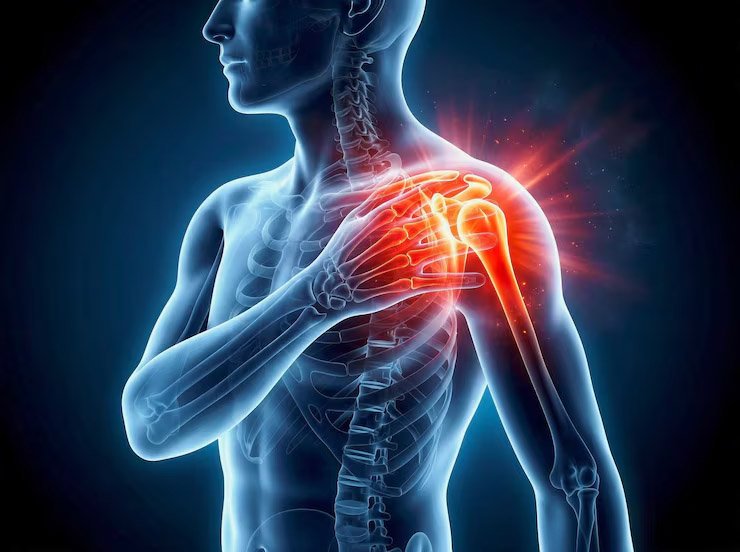
Shoulder Physiotherapy & Rehabilitation
Rehabilitation is often the foundation of non-surgical shoulder treatment. Rather than simply resting the shoulder, a structured programme aims to gradually improve its ability to move and handle everyday loads.
Your rehabilitation may focus on:
Mobility → Strength → Stability → Movement Control → Functional Recovery → Return to Activity
Exercises may include range-of-motion work, rotator cuff strengthening, scapular stabilisation, flexibility exercises and progressive resistance training.
For athletes, rehabilitation can eventually include sport-specific exercises designed around the demands of their activity.
Non-Surgical Sports Shoulder Treatment
Shoulder injuries are common among people involved in badminton, tennis, swimming, cricket, throwing sports, gym training and other overhead activities.
For active individuals, simply reducing pain is not enough. Rehabilitation should help restore the strength, stability and movement control required for their particular activity.
A gradual return-to-sport programme can help the shoulder adapt to increasing physical demands while reducing the risk of aggravating the injury.
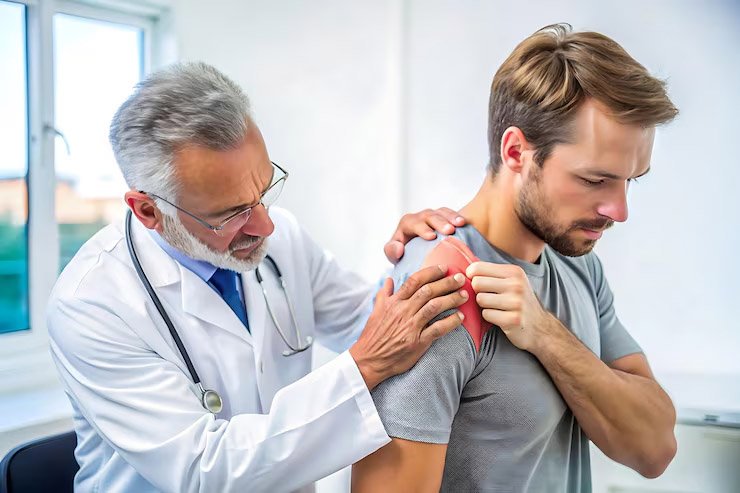
Treatment Option Built around your diagnosis
Guided Physiotherapy
Structured stretching, strengthening and posture correction to restore mechanics and reduce load on the joint.
PRP & Regenerative Injections
Platelet-Rich Plasma therapy uses concentrated growth factors from your own blood to support tendon and joint healing.
Image-Guided Injections
Ultrasound-guided corticosteroid or viscosupplementation injections for precise, targeted pain relief.
Shockwave Therapy
Extracorporeal shockwave treatment for chronic tendinitis and calcific deposits that resist conservative care.
Activity & Load Modification
Bracing, ergonomic and sport-specific technique adjustments to prevent re-aggravation during recovery.
When is surgery actually necessary?
Most shoulder conditions start with a non-surgical trial — surgery is considered when this doesn’t resolve symptoms.
Non-Surgical Care
- Mild to moderate rotator cuff tears
- Frozen shoulder (most stages)
- Shoulder impingement & tendinitis
- Early-stage arthritis
- No progress after 6–12 weeks → re-evaluated
Surgical Care
- Large or worsening full-thickness tears
- Recurrent shoulder dislocation/instability
- Failed non-surgical treatment after adequate trial
- Advanced arthritis with severe joint damage
- Structural injury unlikely to heal on its own
Fellowship-trained, sports medicine focused
Dr. Raghavendra Kembhavi is a fellowship-trained Orthopaedic Surgeon and Sports Medicine Specialist offering minimally invasive arthroscopic care for hip, knee and shoulder conditions in Bangalore.

10000+
Successful Patient Consultations

3000+
Orthopaedic & Sports Injury Treatments

2500+
Arthroscopic & Joint Procedures

17+
Years of Trusted Experience